
Oxycodone: MedlinePlus Drug Information
Hydration also plays a supportive role in liver function and alcohol removal. Drinking water before, during, and after alcohol consumption can aid the liver by helping to dilute alcohol in the bloodstream and supporting overall metabolic processes. For instance, age plays a significant role, as metabolism tends to slow down as you get older, leading to a longer alcohol elimination time. Gender also affects metabolism; women generally metabolize alcohol more slowly than men due to differences in body composition, enzyme levels, and water content. Additionally, body mass and muscle-to-fat ratio influence metabolism, as muscle tissue is more efficient at processing alcohol than fat tissue.
Men died of overdose at 2-3 times greater a rate than women in the U.S. in 2020-2021
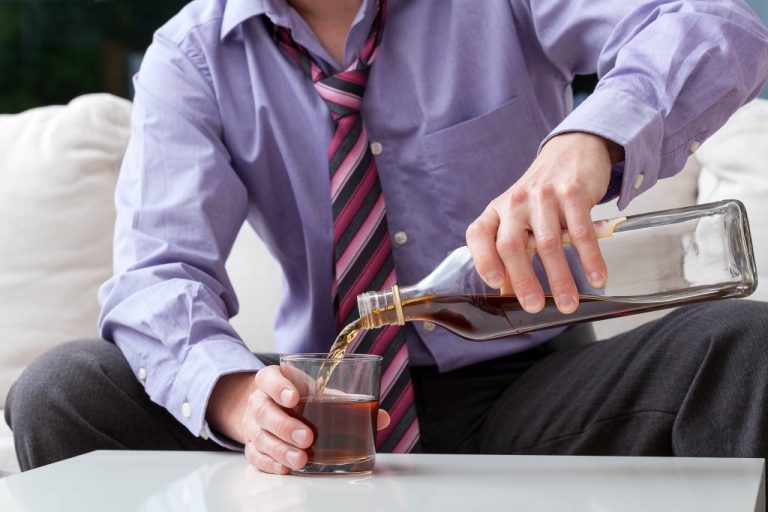
Drinking coffee, water, or eating food does not make the liver metabolize alcohol faster. The exact detection time drug addiction can vary significantly among individuals. Factors such as age, body weight, liver function, metabolic rate, and even genetics play a role in how quickly alcohol is processed and cleared from your body. To illustrate the impact of liver efficiency, consider a scenario where two individuals consume the same amount of alcohol.
Health Conditions
But how accurate are they, especially up to 24 hours after your last drink? Breathalyzers detect alcohol in your breath by measuring the amount of ethanol present, which is directly related to your blood alcohol concentration (BAC). While they are highly effective for immediate readings, their accuracy diminishes over time due to the body’s natural metabolism of alcohol. On average, the liver processes about one standard drink (14 grams of pure alcohol) per hour. However, factors like age, weight, and metabolism rate can significantly influence this timeline.
Main Content
The Priory Group offers additional information on how health conditions influence alcohol metabolism. Understanding how your body processes alcohol is a key step in developing healthier drinking habits. Urine tests offer a similar 12–24-hour window, sometimes longer after heavy drinking. Hair follicle tests have the longest detection window—up to 90 days—as traces of alcohol can be incorporated into the hair as it grows. These varying https://www.jamais.ro/why-does-alcohol-withdrawal-cause-seizures-and-7/ timeframes mean that even if you feel fine, traces of alcohol might still show up on a test.
Alcohol goes through your stomach, intestines, liver, and blood before being removed from the body. Each of these parts plays a different role in dealing with alcohol. Therefore, it is good to understand how long alcohol will stay in your system – for health, safety, and other reasons. Additional doses may be given every 2 to 3 minutes, if symptoms return before medical help arrives.
Legal Limits vs. Personal Impairment
- Alcohol gets measured through blood, saliva, sweat, urine, breath and hair follicles.
- While alcohol may be detectable in the bloodstream for up to 12 hours, it can remain in urine for up to 48 hours and in hair follicles for up to 90 days.
- If you take medication, even a remedy for colds or allergies that is not prescribed, check the label for warnings about its effects.
Portable breathalyzers can provide real-time BAC estimates, offering a tangible way to gauge when alcohol has left your system. Ultimately, awareness of your liver’s metabolism rate empowers you to make informed decisions about alcohol consumption and its aftermath. Efficient liver metabolism is not a one-size-fits-all scenario. Factors such as age, sex, body weight, and genetic predisposition how long does alcohol stay in your system play pivotal roles. Similarly, older adults may experience slower metabolism due to age-related liver function decline.
The Recovery Village Ridgefield
Alcohol leaves the bloodstream through metabolic processes in the liver over time; no amount of pumping changes this rate. Pumping can help maintain supply during abstinence periods but won’t make you safe to nurse sooner after drinking. The time THC remains in your body after a single smoke session varies depending on the things mentioned above as well as the type of drug test you take. But in general, if you use weed just one time, tests might detect THC for up to 72 hours (three days) afterward. Trying to quit cold turkey after prolonged heavy drinking carries real risks. Your liver doesn’t speed up just because you’ve had more to drink.